
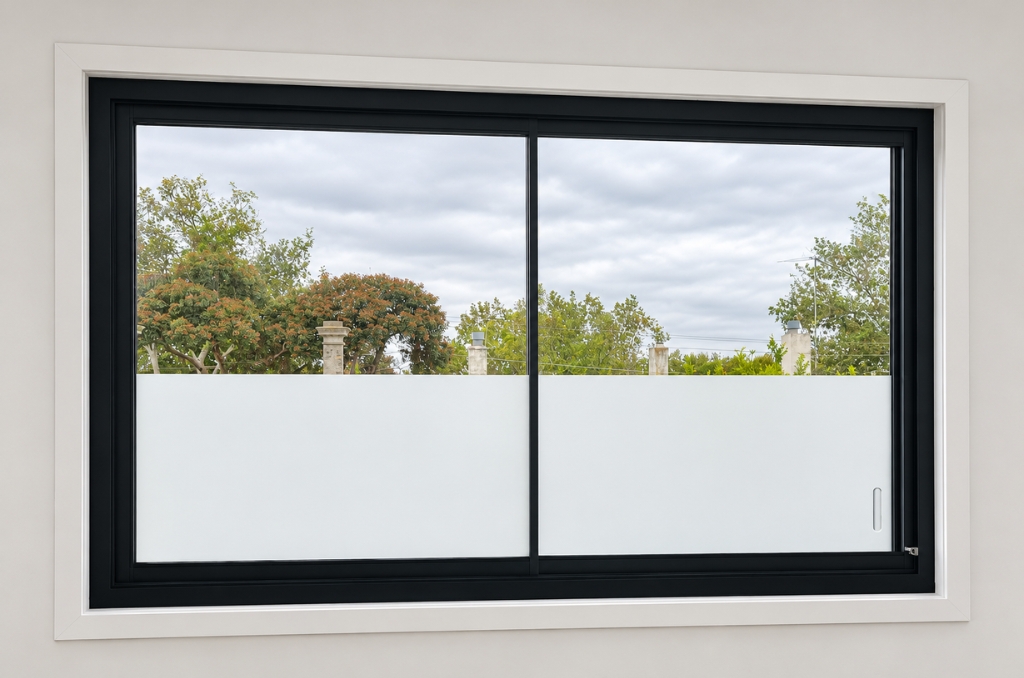
Yes, you can tint double glazed windows. The key is choosing a window film that suits the glass.
It’s a question our team hears all the time, and a quick search online might tell you it can’t be done. The real answer is yes, with some limitations. This guide explains what they are, so you know what to expect.
If you’ve got double glazing and your home still gets hot or uncomfortable in direct sun, you might be wondering why. Double glazing improves insulation, but how much solar heat comes in depends on the glass and its coatings. That’s where window tinting may help. A compatible solar control film can reduce unwanted heat and glare while keeping your view.
No, and this is the part that matters most. Double glazing simply means a window with two panes separated by a sealed gap. Those panes could be ordinary annealed glass, toughened glass, laminated glass or glass with a coating, and each combination needs the right film.
Here’s why. Film changes how the glazing absorbs and reflects solar energy. Get the combination wrong and you can increase thermal stress and the risk of the glass cracking. Pane size, edge condition and partial shading also play a part.
If you want heat control without making the room look dark, light films are often worth considering. Examples include 3M Prestige 70, LLumar Natural 50 and Solar Gard CX 60.
Highly reflective products, such as Silver 20 films, may also be an option for double glazing. Their reflective construction sends a significant proportion of solar energy back outside.
Think of these as starting points for a professional recommendation rather than a list to choose from. A light look, a reflective finish or a product name doesn’t tell you a film is compatible. The exact film needs to be checked against the manufacturer’s guidance for your glazing.
Some films absorb more heat, including some shades in 3M’s Night Vision and LLumar’s Night Series. These need a closer look, because whether they suit your window depends on the individual film and the glass construction.
If your double glazing isn’t toughened, don’t choose a high-absorption film unless the manufacturer approves that exact combination. Toughened glass handles thermal stress better than ordinary annealed glass, but it still needs a compatible film.
Have a look in the corners of your windows. Toughened glass commonly has a small permanent stamp in a corner, sometimes white.
It’s a useful clue, but it’s not the full picture. A mark on one pane doesn’t tell you what the other pane is, or whether there’s a low-e coating. If you’re not sure, have the glazing identified before choosing a film.
Low emissivity glass, usually called low-e glass, has a coating that reduces radiant heat transfer. It helps keep warmth inside your home.
Where that coating sits matters. On many double glazed windows, it’s protected inside the sealed gap. So a coating on the inner pane isn’t necessarily on the room-facing surface, which is where an internal film would go.
The good news is that low-e double glazing doesn’t automatically rule out internal window film. Some combinations are suitable, subject to the film manufacturer’s assessment.

Film, glass and low-e coatings work together to decide how much solar heat enters the room and how hot the panes themselves get. That’s why a good recommendation weighs up both heat reduction and thermal stress.
Heat absorbed by the glazing can still add to the heat inside. So the right film is chosen for how it performs on your window, looking at how much solar energy is transmitted, reflected, absorbed and radiated.
An external solar control film goes on the outside face of the glazing. It can be a useful option when an internal film isn’t suitable, or when the glazing assessment favours an exterior installation for heat control.
The product must be designed for outdoor use and checked for compatibility with your windows. An internal film should never simply be moved outside.
You don’t need to know your glass specifications before getting in touch. If you have double glazed windows and want to reduce heat or glare, give tint.melbourne a call on 1800 837 727.
We’ll walk you through your options and help work out which film suits your windows. We service Greater Melbourne and beyond, so you can start with advice tailored to your glass and the result you want.